Subscribe for Free!
Join our newsletter to explore innovative sustainability initiatives, eco-friendly tips, and impactful activities
Join our newsletter to explore innovative sustainability initiatives, eco-friendly tips, and impactful activities
Scientific Research: Algeria and the EU Seal a New Strategic Pact for 2027
May 10, 2026
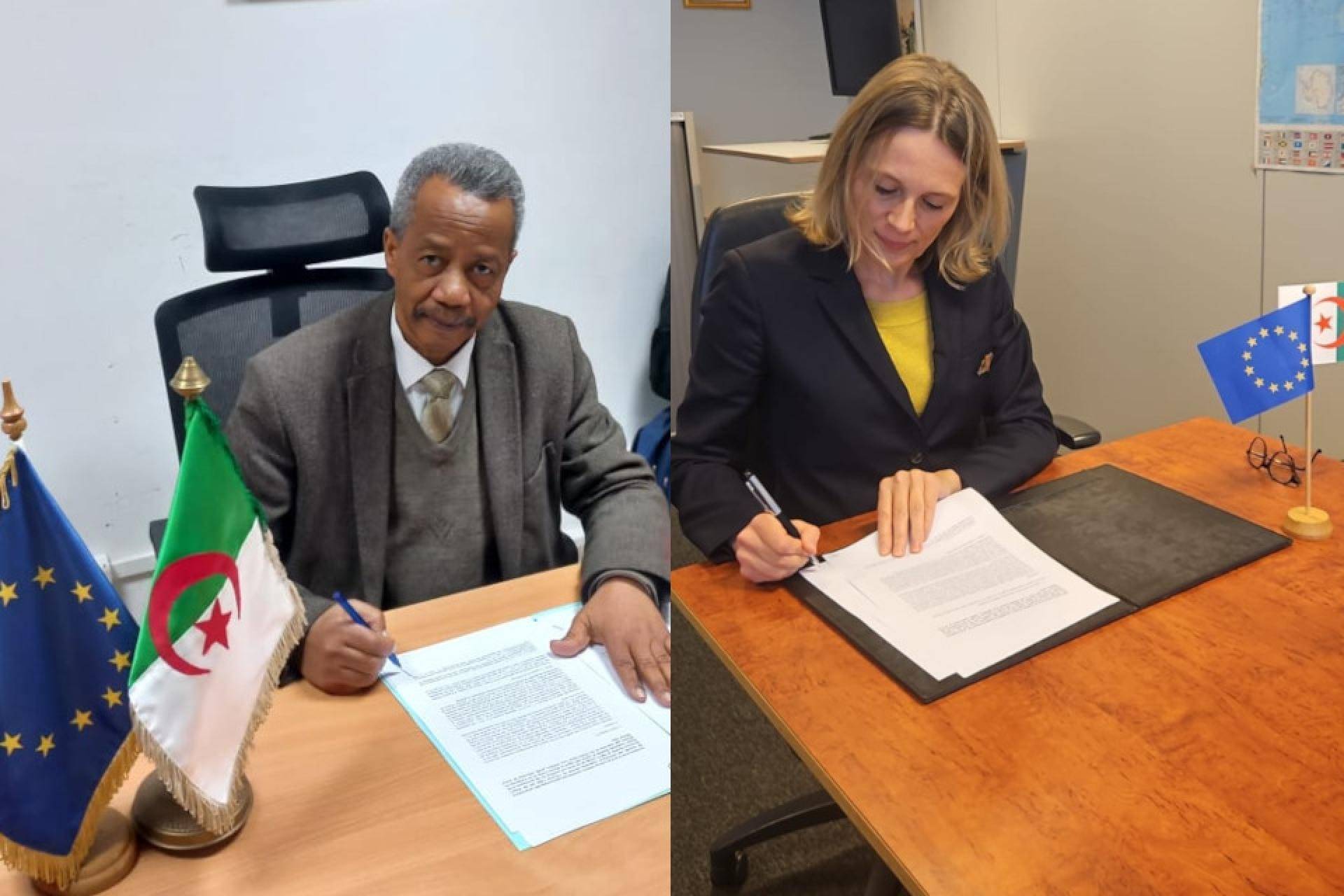
Algeria is reaffirming its ambitions on the Mediterranean scientific stage. On March 11, 2026, a decisive milestone was reached with the official conclusion of negotiations for the renewal of the PRIMA program for the 2025–2027 period. This agreement, signed between the Ministry of Higher Education and the European Commission, marks the beginning of a new era of cooperation focused on innovation and climate resilience.
At the heart of this partnership, Algeria is committing €6 million, a strategic investment that will allow researchers, universities, and local companies to access leading European funding opportunities. The objective is clear: to transform environmental challenges into economic opportunities.
Rather than focusing on purely theoretical studies, the PRIMA program prioritizes practical solutions for integrated water resource management and the development of sustainable agriculture. In a context of increasing water stress, this collaboration becomes a key driver for ensuring the country’s food security while preserving its fragile ecosystems.
This is not Algeria’s first achievement in this field. Since joining the initiative in 2018, the country has established itself as a major player in Mediterranean research. With participation in nearly 100 international projects, Algerian experts are no longer simply contributors but have become true leaders, now coordinating large-scale global initiatives.
The signing of this agreement by Abderrahmane Yousfate and Nienke Buisman symbolizes this mutual recognition. For Brussels, Algeria is a key partner in building shared prosperity through science. For Algiers, the agreement represents a technological showcase capable of elevating national innovation onto the international stage.
The originality of this new phase lies in the “WEFE Nexus” approach, which connects water, energy, food, and the environment. This holistic vision makes it possible to address challenges not in isolation, but through the creation of circular and resilient systems. The expected outcomes for the coming years are highly promising, with new calls for projects for Algerian institutions set to launch soon.
By strengthening this scientific bridge with the European Union, Algeria is not merely funding research; it is shaping the contours of a more stable Mediterranean region, where collective intelligence becomes the primary weapon against climate change.

Accredited by the National Committee for the Incubator Label in Algeria.