Subscribe for Free!
Join our newsletter to explore innovative sustainability initiatives, eco-friendly tips, and impactful activities
Join our newsletter to explore innovative sustainability initiatives, eco-friendly tips, and impactful activities
Algeria Launches Its First Cluster Dedicated to Artificial Intelligence and Cybersecurity
July 1, 2026
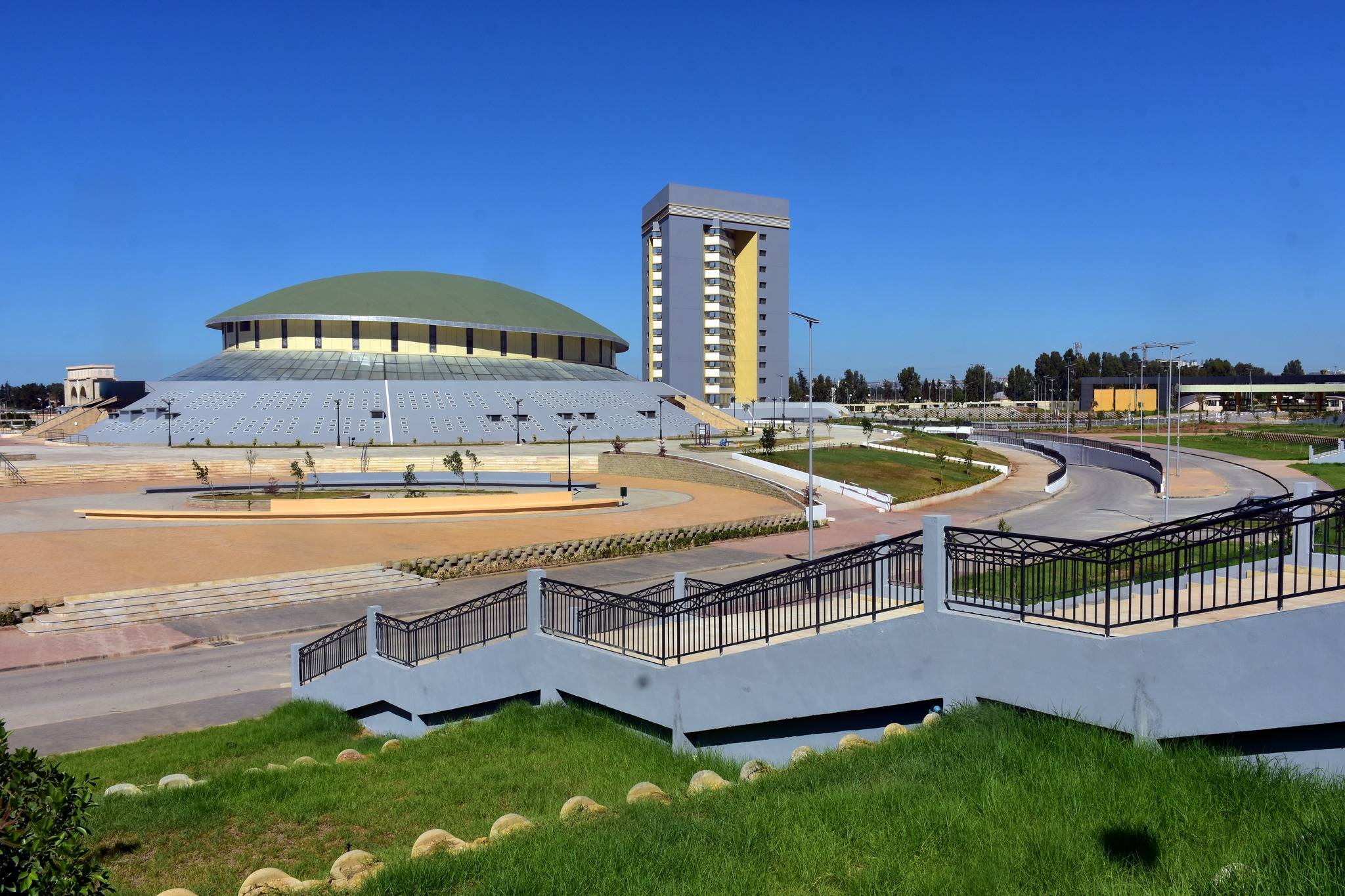
A new milestone has been reached in the development of Algeria’s national innovation ecosystem with the official launch of the country’s first startup cluster established within a university. Inaugurated at the Sidi Abdellah Science and Technology Hub, this new space is dedicated to artificial intelligence (AI) and cybersecurity.
This first university-based cluster aims to strengthen collaboration between scientific research, academic education, and the needs of the national economy. It will provide a shared environment where students, professors, researchers, entrepreneurs, and businesses can work together to develop innovative projects.
According to the authorities, the regulatory framework governing startup incubation within universities has been finalized in recent months. This framework will support not only projects originating from universities but also startups established outside higher education institutions.
The long-term ambition is to gradually expand this model to universities across the country.
On this occasion, Minister Noureddine Ouadah emphasized that the initiative is part of Algeria’s national strategy to develop a knowledge-based economy by strengthening the role of universities as drivers of innovation, scientific production, and value creation.
Minister Kamel Baddari highlighted that the cluster provides a practical mechanism for transforming scientific research into economic and technological solutions that meet market needs.
The initiative also aims to enhance the attractiveness of Algerian universities, showcase national talent, and further promote entrepreneurship among students.
The decision to dedicate the first cluster to artificial intelligence and cybersecurity reflects the growing importance of these two sectors in the global digital transformation.
Artificial intelligence is advancing at an unprecedented pace, with applications spanning industries such as manufacturing, healthcare, agriculture, financial services, transportation, and public administration. At the same time, cybersecurity has become increasingly strategic as organizations face a growing number of digital threats.
Alongside the official launch, a networking event brought together private investors and startup founders to encourage investment opportunities and strengthen collaboration within Algeria’s innovation ecosystem.
International experts also contributed to the discussions. Professor Fouad Bousetouane from the University of Chicago stressed the importance of engaging students in entrepreneurial activities from the early stages of their academic journey.
Professor Ryad Baghdadi from New York University discussed the rapid evolution of artificial intelligence and its impact on the jobs and skills of the future.
Data presented during the event showed that global investment in startups reached approximately $211 billion over the past year. Nearly 50% of this investment was directed toward companies specializing in artificial intelligence, highlighting the sector’s increasing appeal to international investors.
This trend confirms the importance of strengthening national innovation ecosystems by expanding entrepreneurial support, accelerating research commercialization, and creating favorable conditions for emerging technologies.
The launch of Algeria’s first university startup cluster marks a significant step forward in the evolution of the country’s innovation ecosystem. By fostering collaboration among universities, researchers, students, businesses, and investors, the initiative seeks to accelerate the transfer of knowledge into practical economic applications and support the emergence of a new generation of technology startups.
As the model expands to other universities across Algeria, it has the potential to strengthen the country’s capabilities in innovation, applied research, and technology entrepreneurship while contributing to the growth of a knowledge-driven economy.

Accredited by the National Committee for the Incubator Label in Algeria.